

One of the biggest mistakes people make when building a personal brand is trying to be everywhere at once.
They open accounts on five different platforms, post inconsistently across all of them, get overwhelmed, and eventually conclude (falsely) that personal branding simply “doesn’t work.”
But the thing is, the problem is almost never with personal branding as a concept. The problem is strategy, the dedication, and the direction the person takes.
The most successful personal brands rarely dominate every platform. Instead, they focus their energy where it matters most (for the individual). They select channels that match their audience, their style of communication, and their ability to show up consistently.
Choosing the right platform (or platforms) isn’t just a tactical decision. It’s one of the most important strategic choices you’ll make when building your visibility and influence online. For me, my mix is X, LinkedIn, my website, and my newsletter (among a handful of other things, but that’s for a different conversations).
So, where should you be? Before you decide where to invest your time, it helps to start with the most important factor of all.
Your audience.
Table of Contents
Start With Your Audience, Not the Platform
When people think about personal branding, the first question they often ask is, “Which platform should I use?”
But that’s actually the wrong starting question to be asking.
The better question is this.
“Where does my audience already spend their time?”
Different platforms attract different communities, conversations, and expectations. The platform that works for a lifestyle influencer may not be the one that works best for a consultant, a founder, or a marketing leader.
For example, professionals who want to build authority in business or B2B industries often find that LinkedIn and X are ideal places to share ideas and engage in meaningful discussions. These platforms reward thoughtful commentary, insights, and real conversations.
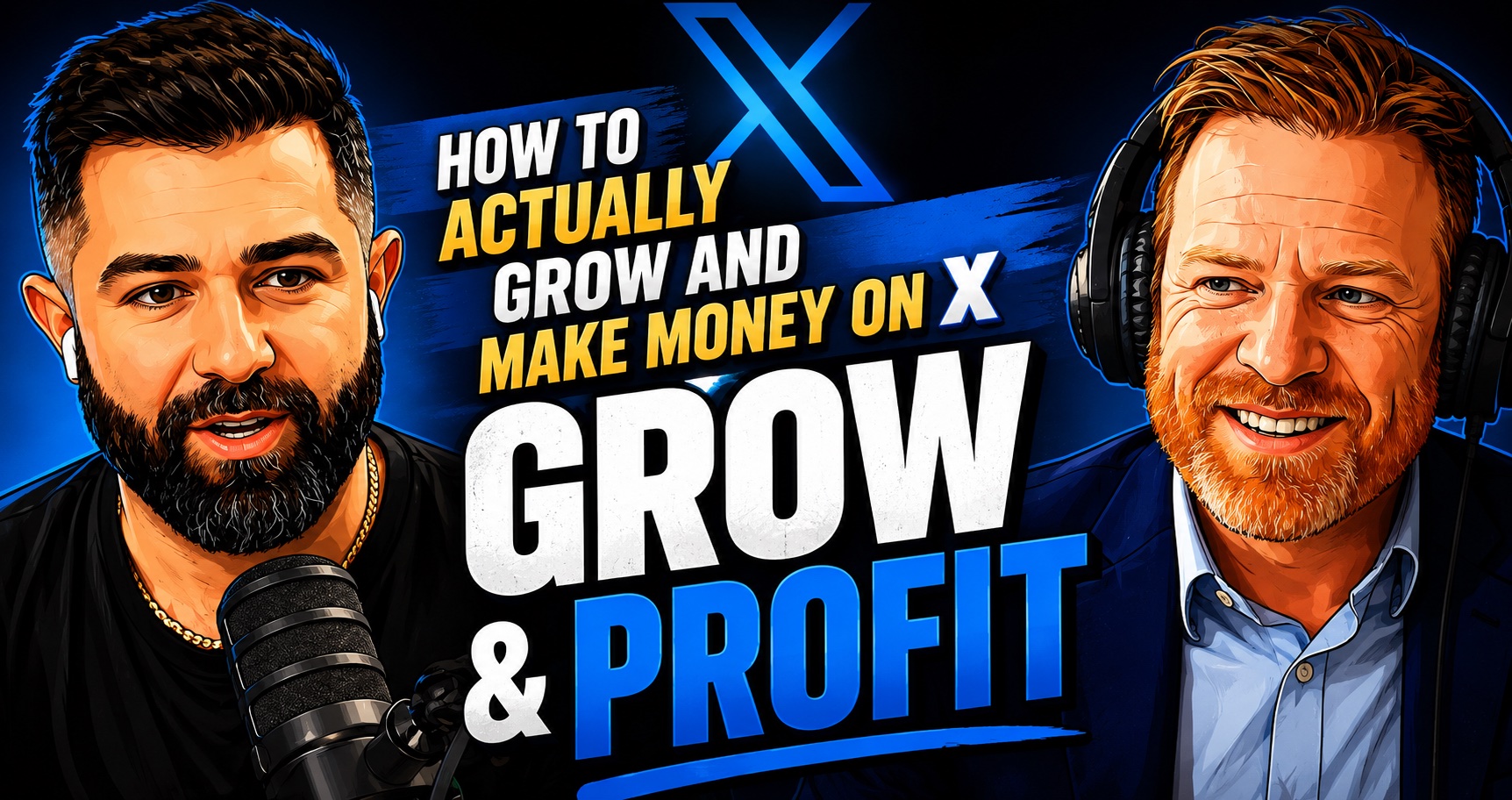
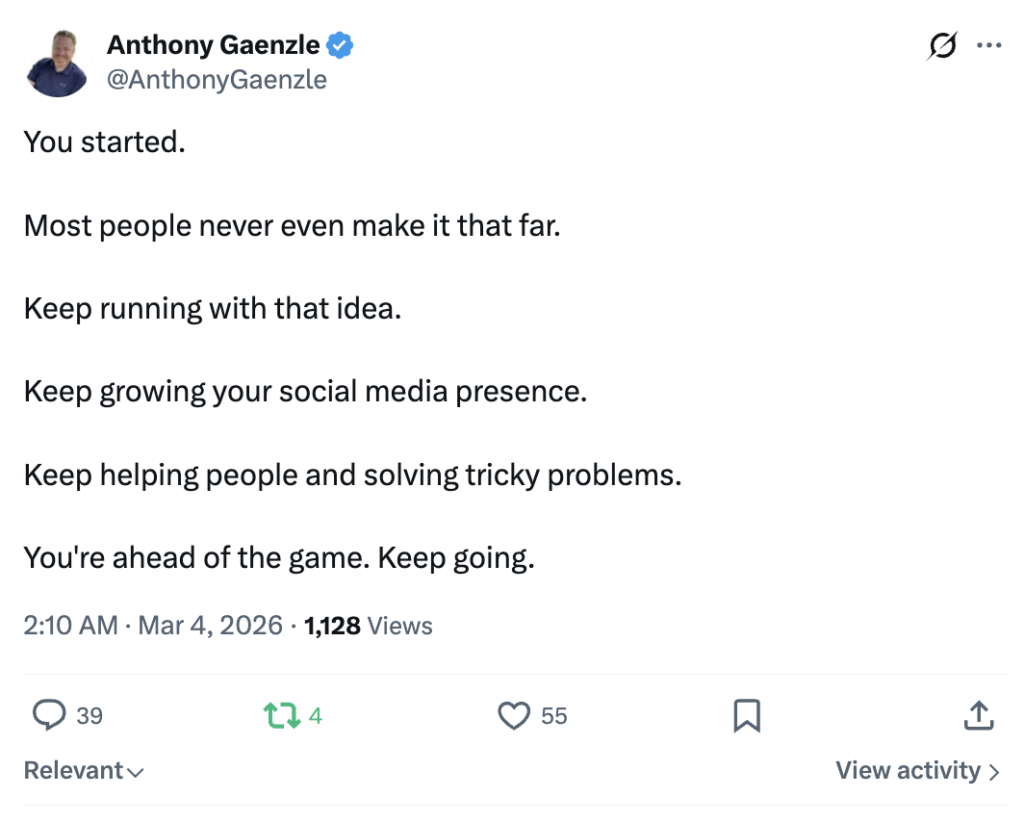
Here’s me on X if you want to connect (and learn). Just click the image, scroll my posts, and follow me.
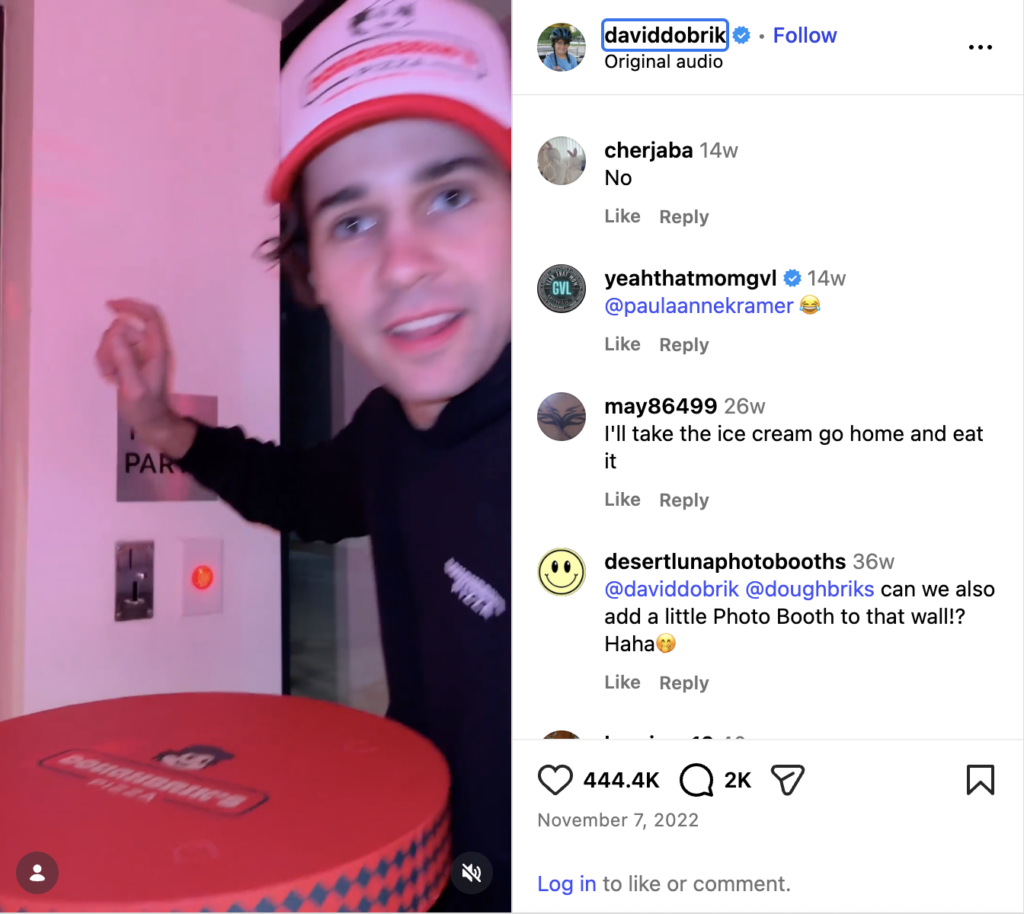
Meanwhile, creators who rely heavily on visual storytelling or entertainment might find greater traction on Instagram, TikTok, or YouTube, where video and imagery dominate. This post by pizza influencer (yes, that’s a thing), David Dobrik, has over 400,000 views.
Choose the right platform where you can make the biggest impact. The goal isn’t simply to pick a popular platform. It’s to place your voice in front of the people who are most likely to care about what you have to say.
Once you understand where your audience lives online, the next step is determining whether the platform aligns with the way you naturally create content.
Match the Platform to Your Content Style
Not every platform rewards the same type of content.
Some platforms prioritize quick insights and conversations. Others reward longer explanations, visual storytelling, or deep educational material.
This is why understanding your own communication style is just as important as understanding your audience. Yes, you need to take time to understand your communication style. It takes many people years to really uncover their true voice. Mostly, this happens because people try to mimic others rather than being themselves.
Once you get that voice down and you know your communication style, it’s time to get selective.
For example, someone who enjoys sharing short observations, strategic insights, and commentary may feel very comfortable posting on platforms like X or LinkedIn, where ideas can spread quickly through discussion.
On the other hand, someone who prefers explaining concepts through visuals, tutorials, or demonstrations might find their natural home on YouTube or Instagram, where video content performs best.
Here’s an example from Art Hub Kids. The create posts 5- to over 10-minute videos walking through the steps to draw kid-friendly content. It’s longer form, and it offers some nice detail and a walkthrough. The best part, it’s parent approved and keeps kids busy!
When you’re trying to figure out where your content belongs, the key question to ask yourself is simple.
“What type of content can I realistically create on a consistent basis?”
If the platform requires a type of content that doesn’t match your natural style, staying consistent becomes difficult. And when consistency disappears, growth tends to disappear with it. So, make sure whichever channels you choose, they’re within your content creation comfort zone.
Once you’ve identified the platforms that fit both your audience and your content style, the next challenge is resisting the temptation to spread yourself too thin.
Focus on One or Two Platforms First
When building a personal brand, focus usually beats volume.
It’s easy to be fooled into believing that being present on every platform increases your chances of being discovered. In reality, it often has the opposite effect.
Managing multiple platforms requires time, energy, and creative focus. When attention is divided across too many channels, the quality and consistency of your content often (almost always) suffer.
Instead, many successful personal brand journeys start with one primary platform and one secondary platform.
This approach allows you to concentrate your effort, refine your voice, and build momentum within a specific community. Over time, the algorithm begins to recognize your content patterns, and your audience becomes familiar with your perspective.
Posting consistently on one platform three or four times a week (X requires more, but we can talk about that another day) is usually far more effective than posting sporadically across five platforms.
Once traction builds in one place, expanding to other platforms becomes much easier because your ideas and reputation already have a foundation, and you have flows and systems in place to keep things going.
As you build momentum, it also becomes important to understand how each platform distributes content.
Pay Attention to What the Platform Rewards
Every social platform has its own ecosystem.
Although the algorithms behind these platforms are constantly evolving, certain patterns tend to remain consistent.
Some platforms reward conversation and interaction. Others reward watch time or visual engagement. Understanding these tendencies can help you shape your content in a way that performs better without sacrificing authenticity.
For example, platforms like X often reward ideas that spark discussion. A strong perspective, a thoughtful observation, or a clear insight can travel far when people begin responding and sharing their own thoughts. On X, you’ll also want to actively engage in conversation on other users’ posts (a lot) to help your own posts show up.
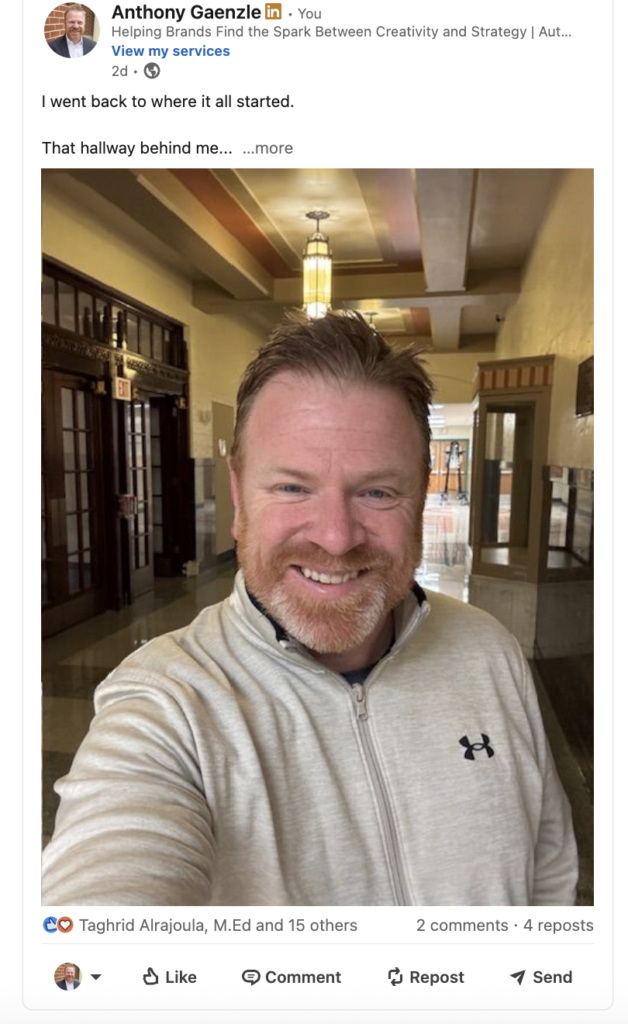
On LinkedIn, posts that combine professional insight with personal experience often perform well because they invite conversation within a professional context. Don’t be afraid to throw in a selfie now and then to highlight who you really are.
Here’s a recent post I wrote where I used a selfie to add that layer of connection.
Video-driven platforms like YouTube or TikTok tend to prioritize content that keeps viewers engaged for longer periods of time.
Recognizing these differences helps you adapt the format of your content to the platform.
However, your voice and message should remain consistent.
The goal isn’t to become a different person on each platform. The goal is to present your ideas in a format that the platform naturally amplifies.
As you begin experimenting and posting more consistently, certain signals will start to reveal whether you’ve chosen the right platform.
Watch the Signals That Show You’re on the Right Channel
When a personal brand starts gaining traction, the first signals often appear long before follower counts spike.
In fact, some of the most meaningful indicators of growth have very little to do with raw numbers.
You might begin to notice things like:
- More thoughtful replies and discussions in the comments
- Direct messages from people in your industry
- Invitations to collaborate, speak, or contribute ideas
- Followers who match the audience you hoped to reach
These signals suggest that your content is resonating with the right people, not just attracting random attention. As I say often, 100 targeted impressions from people you can help beats 1 millions random impressions from people who scroll on by.
And that distinction matters.
Personal branding isn’t simply about visibility. It’s about becoming recognizable and relevant to the people who share your interests, industry, or goals. The people who will hire you, buy your products or services, or otherwise play a role in driving your mission forward.
If the conversations you’re having online begin connecting you with the kinds of people you want to reach, you’re likely investing in the right platform.
But even with the right platform, there is one factor that ultimately determines success.
The Real Secret: Choose the Platform You’ll Actually Use
At the end of the day, the most effective platform for building a personal brand is the one you will consistently show up on.
Consistency builds familiarity. Familiarity builds trust.
When people see your ideas appear regularly in their feeds, they begin to recognize your perspective. Over time, that recognition turns into credibility.
A smaller platform where you share thoughtful ideas every week will almost always outperform a larger platform where your presence is sporadic.
Personal brands grow through repetition and clarity. Each post reinforces your perspective, your expertise, and your voice.
And eventually, people begin to associate your name with certain ideas or insights.
Time to Get Started
Building a personal brand doesn’t require being everywhere.
It requires being recognizable somewhere.
Choose the platform where your audience lives, where your communication style fits naturally, and where you can show up consistently.
Focus there long enough, and your ideas will start to compound. Conversations will deepen. Opportunities will appear.
And what began as a few simple posts can grow into something much more powerful: a reputation people recognize before you even enter the room.

Anthony is Founder and Chief Growth & Strategy Officer for E&I Creative. He is a two-time published author and digital marketing influencer. He has helped brands both large and small grow and thrive across multiple industries through strategic marketing campaigns and leveraging a powerful network of influencers.