

There’s a gap that doesn’t get talked about enough.
A lot of people are good at what they do. A smaller percentage of people are great. But far fewer are known for it in a way that actually creates momentum in their business and opens up doors seemingly effortlessly.
That gap between capability and visibility is where most opportunities are missed.
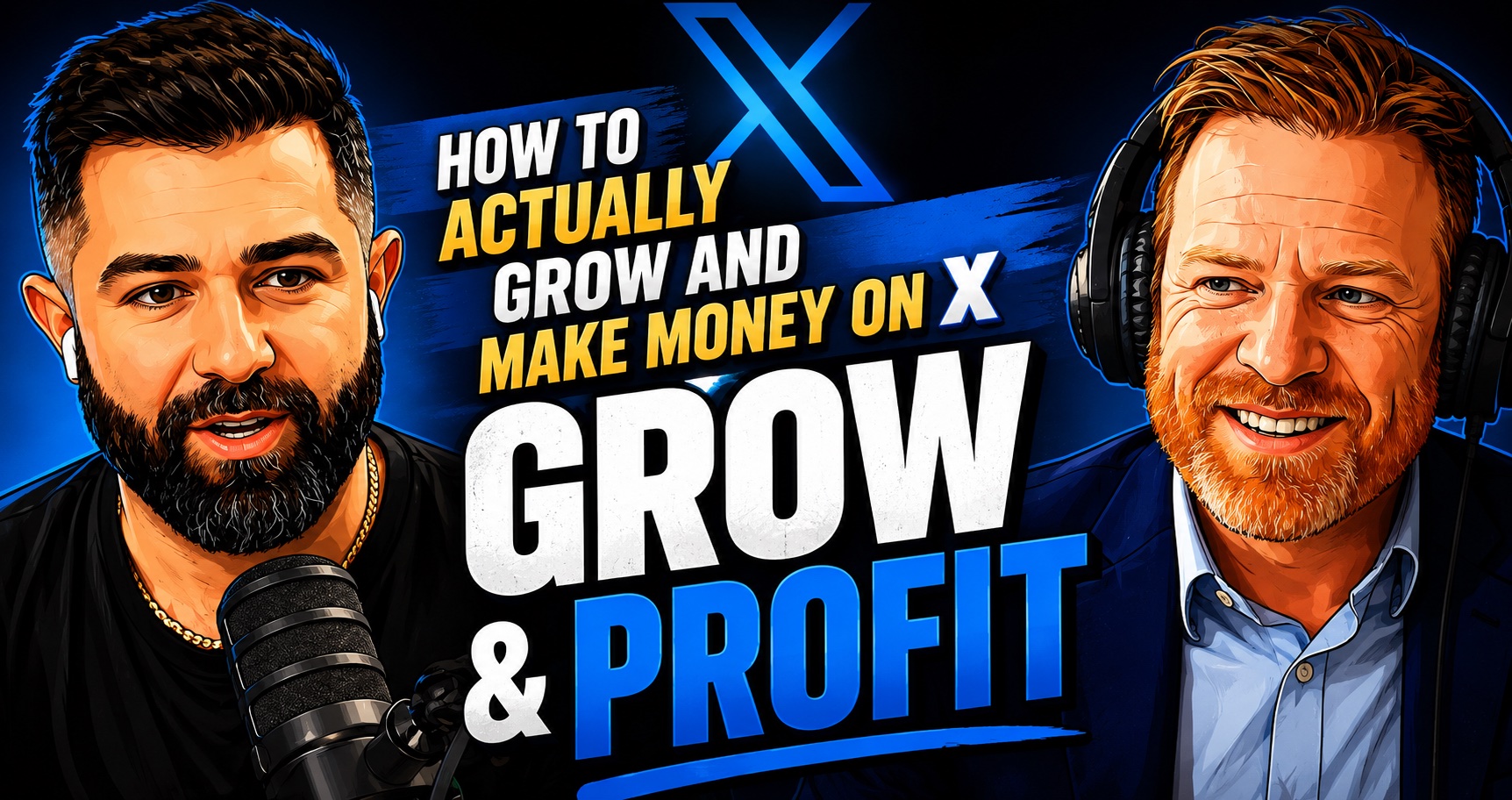
This subject came up recently when I joined Rob Cairns on the SDM Podcast. Throughout our chat, the gap between capability and visibility became a recurring theme. Not as a theory, but as something we both see play out every day across businesses, agencies, and individuals trying to find their voice and their place in the world.
We both agreed, the problem usually isn’t skill. It’s that no one can clearly see it, because simply being good (or even great) at something isn’t enough.
In case you missed my conversation with Rob, let’s take a look at some of the key talking points, and be sure to watch the video below to listen to the full talk.
Table of Contents
Being Good Isn’t a Strategy (And It Never Really Was)
There’s an assumption a lot of professionals still hold onto, refusing to allow anyone to pry it from their clenched fists.
“If I do good work, people will notice.”
And sometimes they do. Sometimes, being good ends up being enough.
But more often, people don’t notice. At least not in a way that helps you stand out and start to build momentum.
The reason this kept coming up during the conversation is that it’s one of the biggest disconnects in modern marketing. The market doesn’t reward silent excellence the way it used to, because there’s simply too much noise competing for attention.
It’s not that quality doesn’t matter. It’s that quality without visibility doesn’t amount to much.
The Internet Didn’t Make Things Easier, It Made Them Louder
We tend to think of the internet as this great equalizer. In many ways, it is. But, in many ways, it’s not.
Anyone can open their laptop, mobile device, or whatever you use to access the internet, and publish content, share ideas, and build an audience.
The problem with that, however, is that everyone else can too. That’s why simply posting content because you heard it was the thing to do is not the answer. You have so much competition. It takes a lot more to stand out today
Which means the bar isn’t just “be good.” The bar, today, is a lot more complicated.
To stand out and make any kind of real impact, you need to be clear enough, consistent enough, and visible enough that people can actually recognize you to the extent that they begin to trust you.
This is the point where personal branding goes from buzzword to gamechanger. This is what the market wants and expects from you, but you have to approach it the right way so you don’t turn people away.
Personal Branding Isn’t About Ego. It’s About Clarity at Scale.
There’s still resistance to the idea of personal branding, especially in more traditional or technical industries.
One of the major roadblocks I see is that for some people it feels self-promotional. Others don’t see the necessity, and still others feel that it’s something other people should do, but “It’s not for me” sort of situation.
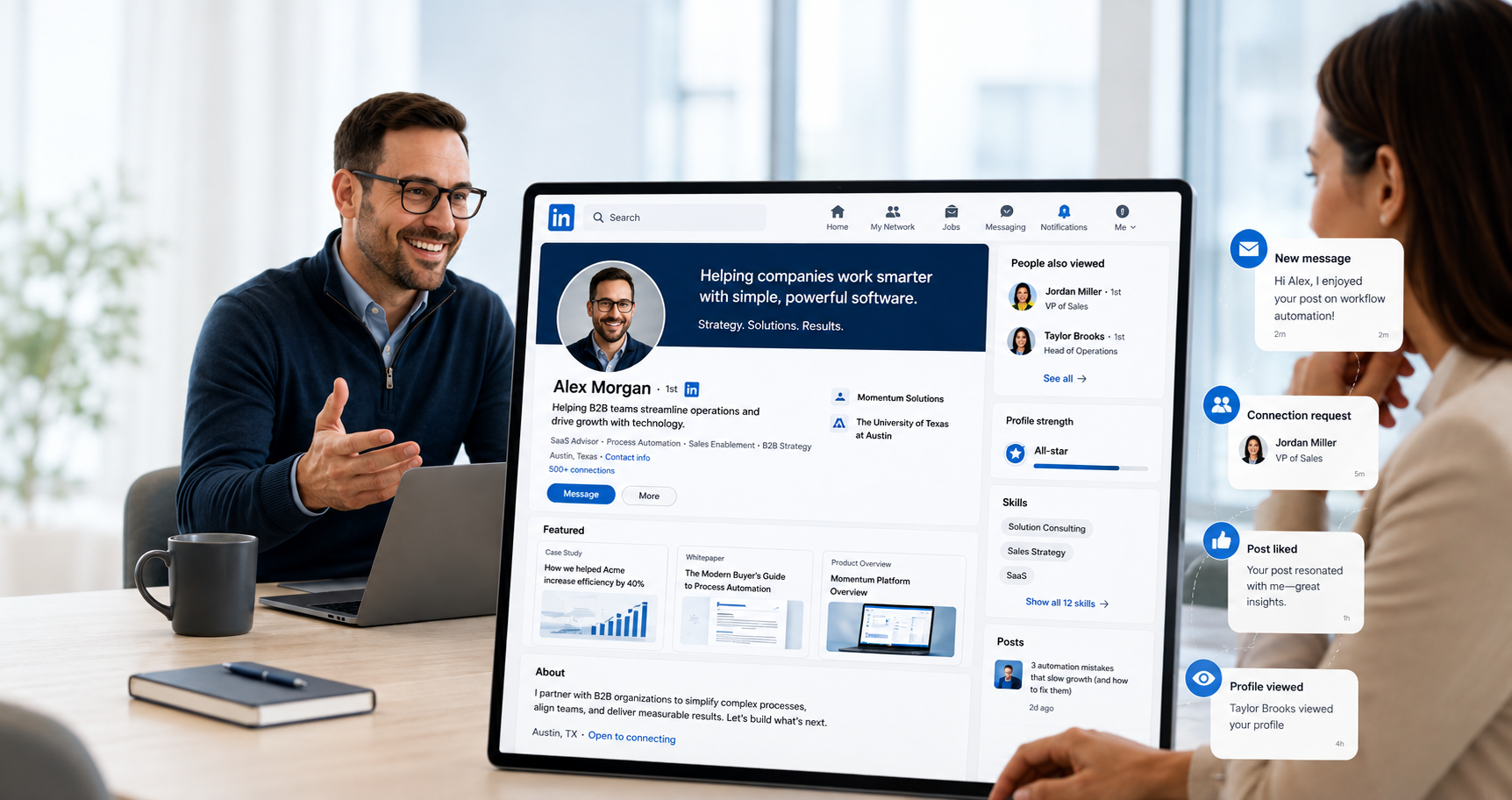
The thing is, though, anyone can benefit from personal branding. Even brands can benefit from personal branding by leveraging their team members’ and helping them build personal brands that paint the company in a positive light.
Before getting into what it looks like tactically, to help people understand the value of personal branding as it applies to their situation, it helps to break it down into a simple definition.
At its core, personal branding helps by:
- Making it easy for people to understand what you do
- Making it easy for people to remember you
- Making it easy for people to trust you before they ever talk to you
That’s it in a nutshell, and you don’t have to be an influencer or entrepreneur to benefit from those things.
Job seekers, for example, benefit because employers increasingly look beyond the resume. If your resume looks impressive, but beyond the resume you’re a ghost, the employer moves on.
Don’t sleep on personal branding. No theatrics required. Just put your best foot forward. Be yourself, and let the world know why knowing you, hiring you, working with you, is a good idea.
The Way People Decide Has Changed (Even If We Pretend It Hasn’t)
One of the more interesting parts of my conversation with Rob was how decision-making actually happens now.
It’s not linear. It’s not always trackable in clean ways. And it definitely doesn’t follow a neat path.
Most of what influences a decision today happens outside of what we can measure.
It doesn’t look like a traditional funnel. In reality, it looks more like this:
- Someone comes across your content
- They don’t engage, but they register it
- They see your name again in a comment or a share
- Maybe they hear you on a podcast
- Maybe they visit your site once or twice
- And then, at some point, they reach out
That’s a strong connection. It’s a connection that doesn’t begin with a cold introduction. It begins with a level of familiarity that feels like it came out of nowhere.
Or at least it does on the surface, because your personal brand did all the heavy lifting in the background. The momentum was building the entire time. It’s just that no one noticed until it hit.
Rob’s Point: Relationships Still Sit Play the Leading Role
Rob made a point during our discussion on the SDM Podcast that’s worth highlighting here.
None of this replaces relationships. Real relationships are critical for business growth, and if anything, all of this reinforces those.
The visibility you create through content and personal branding doesn’t close the deal, it warms up the relationship before it even starts.
When you build up your personal brand and you earn that trust through your content and your presence, things flow smoothly once someone finally reaches out.
Because of your personal brand, you’re not starting from zero. You’re not explaining everything from scratch. You’re not trying to “prove” yourself because your personal brand already covered those bases.
Why Most People Stay Invisible (Even When They Know Better)
This is where things get a little more honest. Because most people don’t disagree with any of this.
Inconsistency
They just don’t act on it consistently. And it’s usually not because they’re lazy. Ok, a lot of times it’s because they’re lazy, but there’s more to it.
Perfectionism
Often, they think they need to have it all figured out first. As a result, they over-edit themselves before they even start. They worry about each little detail, and then they just break down and quit.
Lack of Patience
Another issue is that people underestimate how long it takes to build recognition. It’s not a days, weeks, or even months thing. You need to be willing to put in the work for at least a year, often multiple years, because anything starts to take off.
The Quiet Times
There’s one more. And this last one is a trap. People assume no one is paying attention. The beginning stages are silent, so it seems like all your effort is wasted.
But the truth is, people are paying attention. They’re just doing it quietly or now. Don’t worry. If you keep going, it’ll get louder.
Consistency Isn’t About Frequency. It’s About Staying in the Room.
There’s a tendency to equate consistency with volume. The “gurus” in the room will tell you to “post more,” “be everywhere,” and “say all the things about all the things.”
I give you permission to ignore that advice. That’s not what consistency really means.
Consistency, in this context, is about remaining visible over time. It’s about staying true to your values and your voice.
If you really want to stay consistent, start by:
- Showing up regularly enough that people don’t forget you
- Saying things that are aligned with what you actually believe
- Creating a body of work that reinforces itself over time
You don’t need to dominate every channel. You just need to stay in the room, be active, and be helpful consistently.
Recommended Reading: Why Great Businesses Still Struggle With Content Marketing and How to Fix It
The Real Shift: From “Getting Attention” to “Being Remembered”
A lot of marketing still focuses on attention.
Clicks. Views. Impressions.
Those things matter, but they’re incomplete. They don’t tell the full story, and they aren’t the things that close the deal.
Attention without memory and action doesn’t do much. The real advantage comes from being remembered and building trust to the point that people act on your calls to action.
That happens through repetition, clarity, and familiarity. Not one viral moment.
How to Know Personal Branding is Working
When your personal brand starts to work, it doesn’t feel dramatic. It feel natural.
You start having better conversations. You enjoy shorter sales cycles. More aligned opportunities show up at your doorstep.
People come in with context instead of questions, and the next steps become obvious.
Over time, that builds and grows into something most businesses crave.
Momentum.
Bringing it All Together
If there’s one thing that stood out from my conversation with Rob on the SDM Podcast, it’s this.
The market doesn’t reward the best-kept secrets anymore.
You don’t need to be louder, but in a strategic way. You don’t need to be everywhere, but you can’t just hide in one place either.
The key is to make it easier for people to see you, understand you, and remember you. Because being good at what you do is still the foundation.
It’s just no longer the differentiator that helps you rise above the rest.

Anthony is Founder and Chief Growth & Strategy Officer for E&I Creative. He is a two-time published author and digital marketing influencer. He has helped brands both large and small grow and thrive across multiple industries through strategic marketing campaigns and leveraging a powerful network of influencers.